
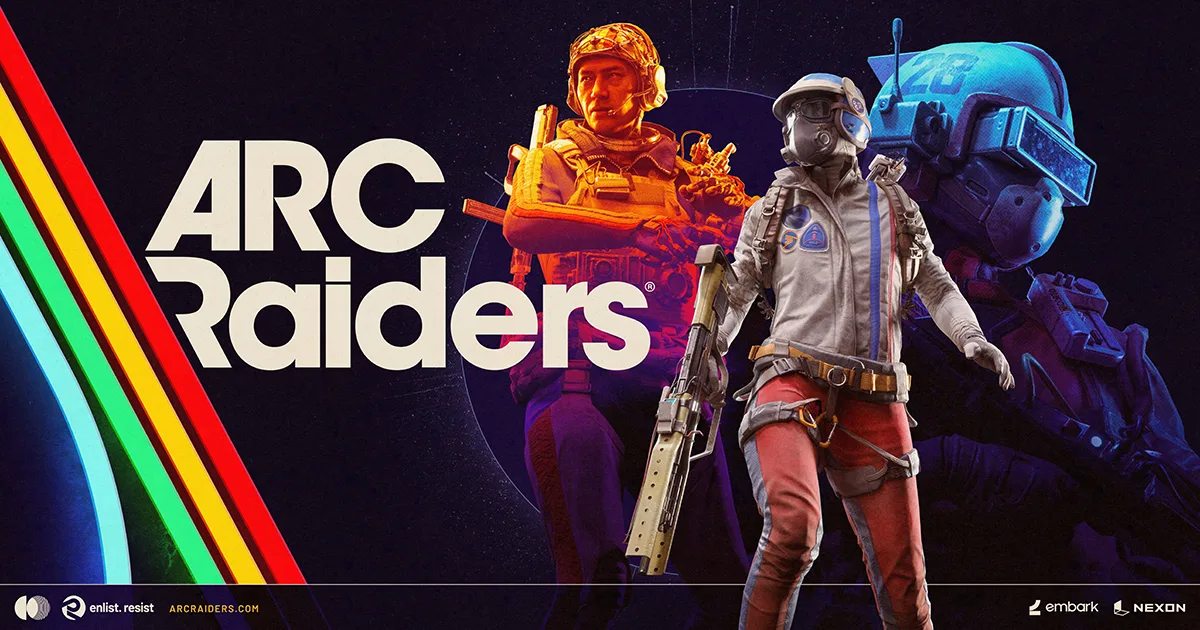
Extraction shooters have spent the last few years being defined by what they ask you to tolerate — Escape from Tarkov's brutal learning curve, its first-person-only tension, its Russian server jank. ARC Raiders, from Stockholm's Embark Studios (the team behind The Finals), is the first game in the genre built from the ground up to be approachable without being soft. It's third-person, it's readable, it's got a proper new-player onboarding loop, and underneath all of that politeness it still asks the same question every extraction shooter asks: are you willing to lose everything you're carrying right now for a chance to bring back more? Eleven months after its October 30, 2025 launch on PC, PS5 and Xbox Series X|S, ARC Raiders has sold over 16 million copies, won Best Multiplayer Game at The Game Awards and Online Game of the Year at the D.I.C.E. Awards, and then spent the spring of 2026 getting review-bombed by the same community that made it a phenomenon. Both of those things are true, and both of them matter to whether this is actually the "next big shooter" or just the biggest shooter of one very good quarter.
Speranza and the Weight of Every Raid
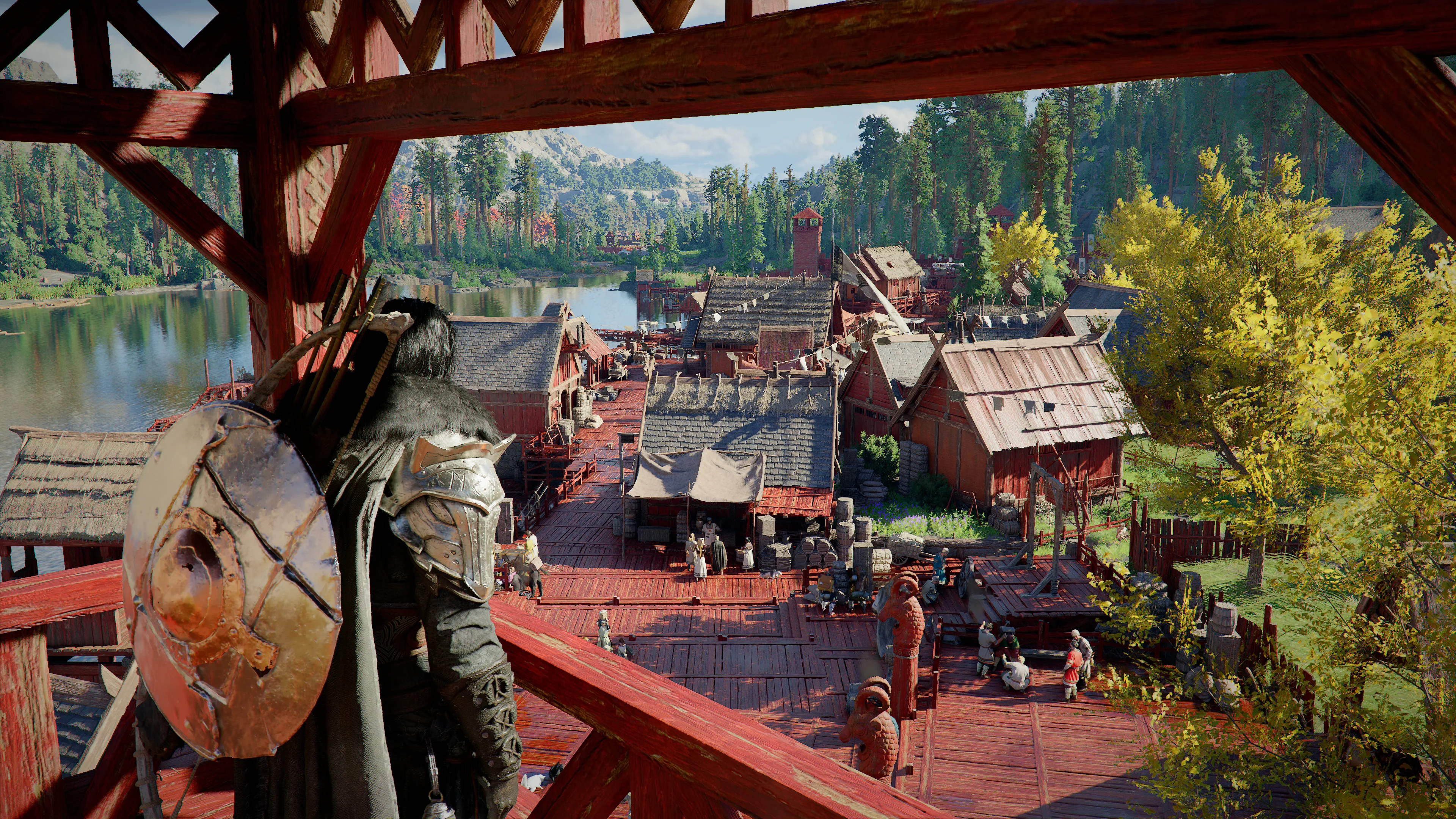
The structural idea is simple and it works. You live in Speranza, an underground refuge where humanity hides from a robotic apocalypse, and every raid is a round trip: gear up in your workshop, drop onto one of the surface maps (four at launch — Dam Battlegrounds, Blue Gate, Buried City and Spaceport, with more added since), scavenge and fight your way toward whatever you came for, then get to an extraction point before your time or your health runs out. Die anywhere along the way and everything in your loadout beyond what you insured is gone for good; make it out and the loot funds the next, better raid. That's the Tarkov formula in its purest form, but Embark's execution sands off the edges that keep that formula niche — the UI tells you what things are worth without a spreadsheet in another tab, the crafting and repair systems at your workbench are legible on a first sitting, and squads cap out at three, which keeps coordination tight rather than turning every raid into a scheduled event. The tension is real without the game pretending obscurity is difficulty, and that distinction is the whole reason ARC Raiders reached players who'd bounced off every extraction shooter before it.
The ARCs Earn Their Name in the Title
The PvE half of the equation is genuinely well-designed, not just filler between player encounters. Wasps are the rank-and-file threat — fast-firing, dangerous in packs, but visibly vulnerable if you hit the thrusters on their armor and send them spinning out of control. Bombardiers trade speed for mortar fire that turns cover into a liability if you're caught in the open. Ticks are the one that gets a reaction out of every player the first time it happens — small, spider-like, and built to latch onto you and drain health until you physically shake it off. None of these are bullet sponges; they're built around a specific weak point or behavior you learn to exploit, which means fights against ARCs feel like puzzles with a time limit rather than DPS checks. It's the part of the game critics were unanimous about at launch, and it's aged the best of anything ARC Raiders does — Destructoid, Game Informer and GameSpot each landed on 9/10 largely on the strength of how good it feels to actually fight these things.
Another Raider Is Always the Real Threat
What separates ARC Raiders from a straightforward co-op shooter is that the ARCs are never the only danger on the map — other three-person squads are out there doing exactly what you're doing, and they can end your raid in three seconds flat if they see you first. Embark leans into this by making sound and sightlines do most of the work: footsteps carry, gunfire draws every ARC and raider in the area, and the smartest play is often avoiding a fight entirely rather than winning one. That produces the genre's signature high — the walk back to extraction with a full bag, pulse in your throat, convinced every doorway hides someone who wants what you're carrying. It's also the site of ARC Raiders' most contentious 2026 changes. The April 28 "Riven Tides" update reworked the Expedition mode and pushed weapon durability and encounter design in a direction the community read as actively encouraging more PvP violence rather than letting players opt into it, and a meaningful chunk of the playerbase — particularly the more PvE-leaning raiders the accessible design had attracted in the first place — felt like the rules changed under them without consent.
A Year of Whiplash: From Mighty to Mixed
It's worth being honest about the arc, because it's the story of ARC Raiders' 2026 as much as anything in the game itself. At launch, this was as close to a critical and commercial slam dunk as the genre has seen: Metacritic scores of 86 (PC), 85 (PS5) and 88 (Xbox), a 92% recommend rate and "Mighty" rating on OpenCritic, and Steam concurrent numbers that peaked above 400,000 — extraordinary for a premium-priced, non-free shooter with no marketing budget close to a live-service giant's. Then the Riven Tides update landed, the balance changes and Expedition rework hit, and Steam's user rating cratered to "Mixed" within days as a wave of negative reviews rolled in. That's not a fringe complaint; concurrent player counts fell from over 400,000 in January to under 100,000 by May, and while September 2026's daily numbers (in the tens of thousands, down further from that spring collapse) reflect some of the natural attrition every live-service game experiences, the timing lines up too cleanly with the backlash to call it coincidence. Embark's response, announced in May, was to cut its update cadence from roughly monthly to two major releases a year, arguing publicly that "the pressure of a monthly cycle" was forcing smaller, less considered changes — smaller live-ops patches and bug fixes continue in between. The next major update, Frozen Trails, is slated for October 2026 with a new map and new ARC types, and it's a fair test of whether slower actually means better, or just less frequently disappointing.
The Business Model, and What's Thin Underneath
Credit where it's due: ARC Raiders didn't take the easy live-service path of going free-to-play and monetizing progression. It's a $39.99 premium purchase, its seasonal "Decks" function as free battle passes tied to completing in-game quests rather than paywalled tracks, and Embark has kept pay-to-win gear entirely out of the cash shop. The complaint that does stick is pricing on cosmetics — some bundles run close to half the cost of the base game, which is a steep ask for a skin in a third-person shooter you already paid full price for. The other soft spot is narrative: the Rust Belt setting and the mystery of the ARC machines are dropped almost entirely through environmental storytelling and brief NPC dialogue in Speranza rather than anything resembling a plot, and a year in, that worldbuilding still feels like scaffolding for a story Embark hasn't decided to tell yet rather than a deliberate minimalist choice.
Verdict
ARC Raiders earned its acclaim honestly — it's the extraction shooter that finally translated Tarkov's tension into something a much wider audience could actually learn and enjoy, with ARC robot encounters that reward pattern recognition over patience and a PvPvE tightrope that produces genuine, sweaty highs when it's working. The problem is that "when it's working" has become a qualifier this game needs in 2026 in a way it didn't at launch. Riven Tides' balance changes and Expedition rework alienated a real slice of the playerbase, the concurrent numbers backed that up rather than just reflecting review-bomb noise, and Embark's own admission that its update pace was hurting quality is a tacit acknowledgment that the studio moved too fast on changes that mattered too much. None of that erases how good the fundamentals still are, or how promising Frozen Trails' slower, more deliberate approach sounds on paper. It does mean the answer to "is this the next big shooter" is yes, with an asterisk: yes for anyone who wants the best on-ramp extraction shooters have ever had, with the caveat that the studio is still visibly figuring out how to keep that on-ramp from also being an off-ramp.
Pros:
- The Speranza-to-surface extraction loop is the most approachable version of Tarkov's tension the genre has produced, without sacrificing real stakes
- ARC robot design (Wasps, Bombardiers, Ticks) rewards learning specific weak points and behaviors rather than just gear checks
- No pay-to-win — Decks function as free quest-based battle passes, and premium currency stays out of loadout power
- Squads capped at three keep both PvE and PvP encounters tense and readable rather than chaotic
Cons:
- The April 2026 Riven Tides update's balance and Expedition changes tanked Steam's rating from largely positive to Mixed almost overnight
- Concurrent player counts have fallen sharply since January, well beyond normal post-launch decline
- Cosmetic pricing is aggressive for a $39.99 premium game — some bundles cost nearly half the base price
- Worldbuilding and story remain thin, delivered in scattered lore drops rather than anything resembling a real narrative arc

Jack reviews games for Gamingonix, judging every release on its own terms and telling you plainly whether it earns your time.